This month (October) at MBH, we celebrated Dyspraxia Week. We are proud to help raise awareness and understanding of dyspraxia, while celebrating the strengths, determination and achievements of people who live with it.
At MBH, we believe that everyone should have opportunities to develop their abilities, build confidence and become as active and independent as possible. Through Conductive Education, we support children and adults with a range of motor difficulties to work towards meaningful goals in their everyday lives.
What is dyspraxia?
Dyspraxia is a term commonly associated with Developmental Coordination Disorder (DCD), a condition affecting physical coordination.
For someone with DCD, movements and everyday activities that other people may take for granted can require considerably more thought, planning and effort.
This can affect activities such as:
- Getting dressed and managing buttons or fastenings
- Using cutlery
- Handwriting and other fine-motor activities
- Running, jumping and taking part in sport
- Balance and coordination
- Learning and carrying out sequences of movements
- Organising belongings and completing everyday routines
Every person is different. Dyspraxia does not look the same for everyone, and the challenges someone experiences can change depending on the activity, environment and stage of life.

Looking beyond the difficulties
Awareness weeks are important because they give us an opportunity not only to talk about challenges, but also to challenge misconceptions.
Having dyspraxia does not mean someone is lazy, careless or not trying hard enough.
A task that appears simple may require a huge amount of concentration and perseverance. Recognising that effort can make an enormous difference to a person’s confidence and willingness to keep trying.
Instead of focusing solely on what someone finds difficult, we can ask:
What can we do to help this person succeed?
Sometimes a different approach, additional time, repetition, encouragement or breaking an activity into manageable steps can make all the difference.

How does Conductive Education support movement and independence?
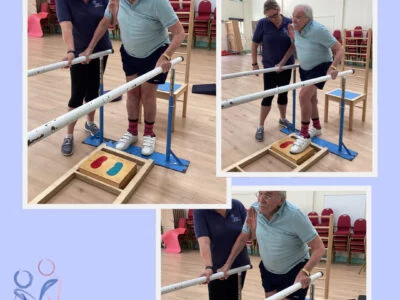
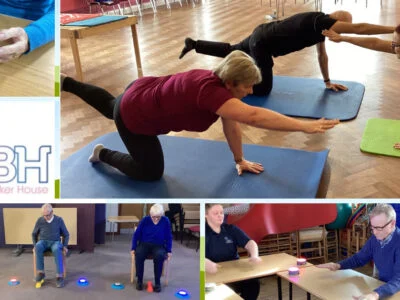
At MBH, our Conductive Education programmes take a holistic approach, bringing together movement, learning and everyday functional skills.
Participants are encouraged to be actively involved rather than having movements or activities simply done for them.
Activities can be purposeful and linked to everyday life, helping individuals practise skills such as sitting, standing, walking, reaching, grasping, dressing, eating and other aspects of self-care.
Repetition provides opportunities to practise and develop strategies, while encouragement and achievable goals can help participants recognise their own progress.
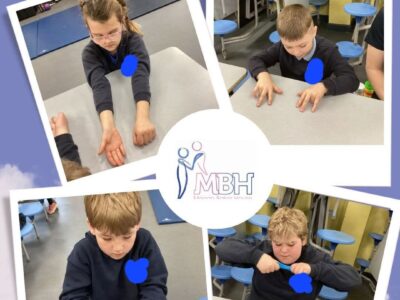
Importantly, success will look different for every person. MBH sets aims for each child and we evaluate them at the end of the term with their progress. We also add photos to their online journal ‘Class Dojo’ so parents/carers can see what their child has been doing in sessions and what progress they are making.
Something that seems like a small step to somebody else can represent an enormous achievement for the individual who has worked hard to accomplish it.
Building confidence as well as skills
Developing physical and practical skills is only part of the picture.
Having opportunities to try, make choices, solve problems and experience success can also help build confidence and independence.
At Megan Baker House, we celebrate progress in all its forms. Whether someone is learning a new movement, participating more actively in a daily task or discovering a different way to achieve their goal, those achievements deserve recognition.
How can we all support someone with dyspraxia?
Greater awareness and understanding can make everyday environments more inclusive.
Giving someone additional time, avoiding assumptions about their abilities, providing clear instructions and recognising effort as well as outcomes can all help.
Most importantly, listen to the individual. They are the expert in their own experiences and can often tell you what makes a task or environment more accessible for them.

Celebrating Dyspraxia Week
This Dyspraxia Week, we want to celebrate everyone living with dyspraxia and the families, professionals, teachers and supporters who encourage them along the way.
At MBH, we’ll continue to champion an approach that focuses on possibility, participation and individual achievement.
Because progress isn’t about comparing yourself with somebody else.
Check out our socials for Dyspraxia Week. We took some videos of our school children in action for each programme and looked at some facts and myths about DCD.
We provide sessions in house and at local schools. Get in touch for more information on our dyspraxia (DCD) sessions, or if you would like us to provide a talk/presentation at your school:
Email: [email protected]
Phone: 01531 633840
#DyspraxiaWeek #DyspraxiaAwareness #DCD #ConductiveEducation #MeganBakerHouse #DisabilityAwareness #Independence #Inclusion